
Homeschool easy peasy can be achieved by a simple lesson plan recipe. Don’t we want everything to be easy peasy? I have listed below the lesson recipe below that can be used in any lesson.

After being in education for over 30 years, I know what works and what doesn’t with children which makes me an expert in working with all children. I have seen the good and the bad from public education. Being a principal, I have been amazed at watching fantastic teachers teach and have also encouraged mediocre teachers to get out of the profession. However, I believe that anyone with the drive and hard work can be taught how to be a fantastic teacher. Parents have the most invested in their child so who else would want to put more effort into teaching the child than a parent. Here is some advice for you to have the most productive lessons during homeschool .
Child Engagement
Your lesson should be engaging. You should never just open a workbook and sit beside a child and work through the lesson. The best lessons start with a “hook”. Tell your child a story to give them some “buy in” of why the lesson is important to THEM. It could be something as simple as telling the child a story about something that happened to you when you were a child. Many of the best teachers use examples from their family to start their lessons.
RECIPE FOR AN EASY PEASY HOMESCHOOL LESSON
I Do
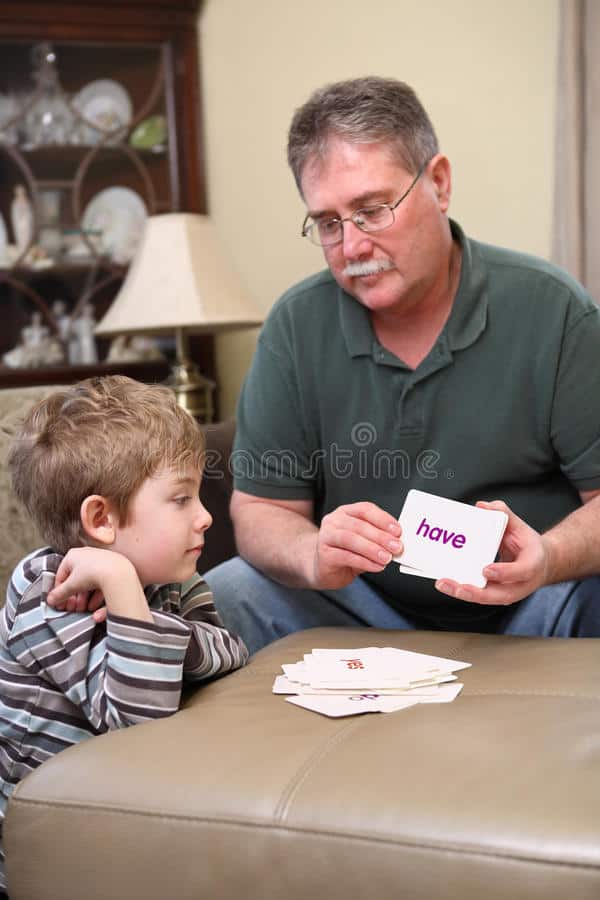
Before opening your workbook, tell your child what the objective is for the lesson that day. It may be adding two numbers to ten. Show your child a few examples of the problems that the they will be expected to do. For example, if the math lesson is on sums to 10, have 10 items on the table that the child can use to work the addition problems. However, the most important part is that YOU work the problems first with no help from the child. You might show the child the problems 7+2, 3+4, and 6+1 with the items. Make sure that you are thinking aloud and stating what you are doing each step of the way.

We Do
The next step is to work the problems together with your child. Write down some problems and assist your child with working the problems. Have your child talk aloud when they are working the problem so you can make sure that he/she is understanding what they are doing. This is the most important step.
You Do
This step is when the child starts to work independently. Have them work with the items that you have given them on their own and then have them explain what they are doing.
Closure
Make sure that your child knows what the objective of the lesson was. Have him/her tell you what the lesson objective was for the day and work one more problem on their own.
Independent Practice
Once you have gone through all these steps, your child is ready to work in their workbook. You shouldn’t need to sit beside him/her. Instead, he/she should have had enough practice that he/she can work on his/her own.
Spiraling
Once you grade the independent practice, go back and reinforce any areas in which your child needs help. Also, it is important to go back to the skill every so often so that the child doesn’t forget. In school, we had what we called “bell work”. It was just a few problems that students did on their own when entering the classroom. It would all be review so that they could do it on their own. This would be an especially good activity if you have multiple children so that one child could work on his/her own while you are working with another child.
Use this recipe for any lesson to make homeschool easy peasy. Teachers are trained in this format and it works very well. The good thing about teaching your own child is that you can go as fast or as slow as needed to make sure that the child has mastered the skill. Please don’t hesitate to email me if you have further questions at info@simplesouthernsolutions.com. I would be glad to assist you.